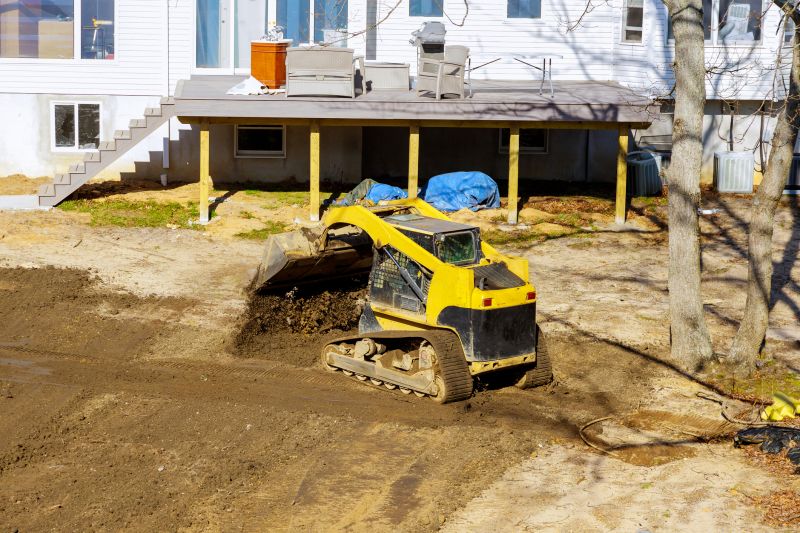
Dirt Relocation in Houston, TX
Dirt relocation services involve the movement and redistribution of soil, gravel, or other ground materials across a property. This service is commonly used for grading a yard, leveling uneven terrain, creating drainage solutions, or preparing land for landscaping and construction projects. Property owners often request dirt relocation to improve the stability and appearance of their outdoor spaces, ensure proper water runoff, or to clear areas for new structures or gardens.
Before requesting dirt relocation, property owners should consider the extent of the area to be worked on, the type of soil or material involved, and any potential restrictions or permits required by local regulations. Clear communication about the desired outcome and existing site conditions can help determine the most effective approach. Understanding the scope of the project and any property limitations ensures that the soil movement aligns with the overall property development or improvement plans.
Many property owners in Houston, TX look into Dirt Relocation for repairs, replacements, upgrades, and appearance-related improvements.
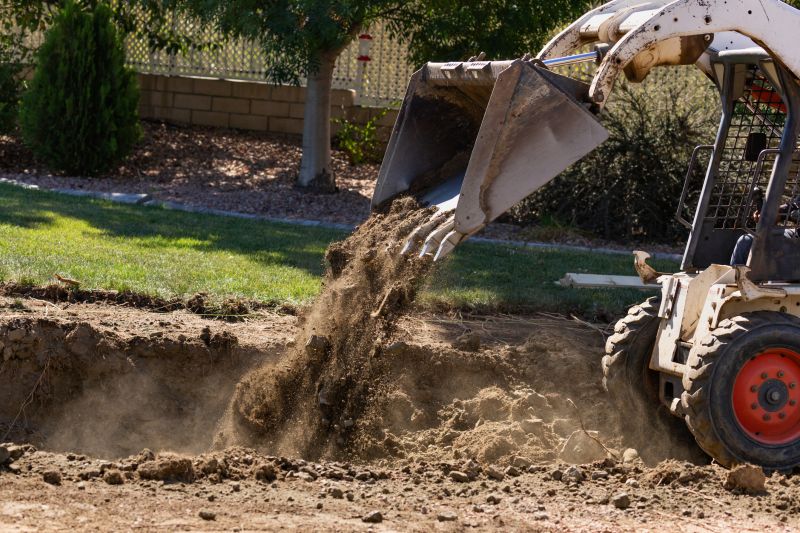
Site Preparation And Grading
Proper dirt relocation prepares land for construction, landscaping, or drainage improvements.
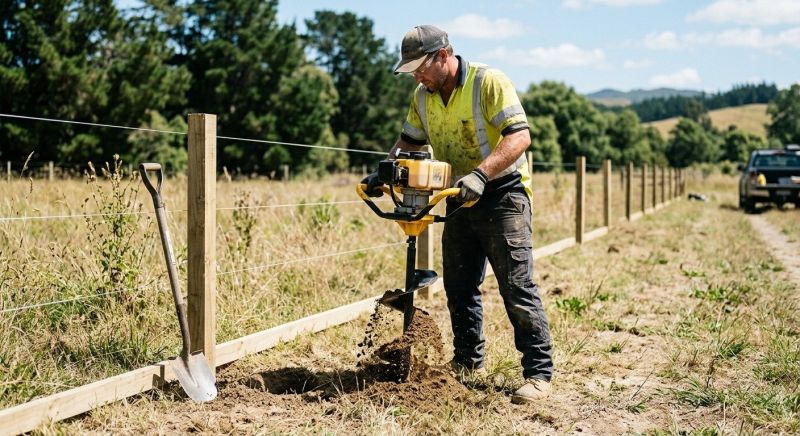
Landscaping And Garden Design
Adjusting soil levels enhances the appearance and functionality of gardens and outdoor spaces.
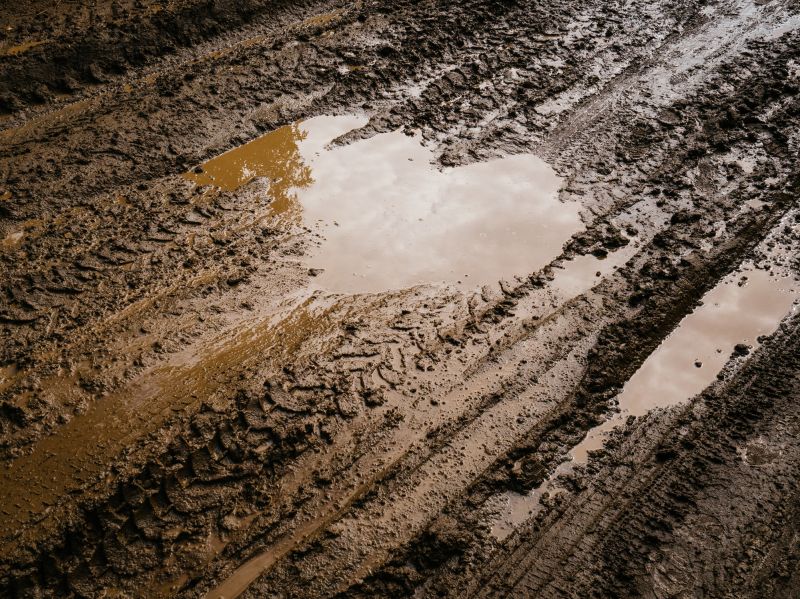
Erosion Control And Drainage Solutions
Relocating dirt helps manage water flow and prevent soil erosion on residential properties in houston, tx.
Dirt Relocation in Houston, TX
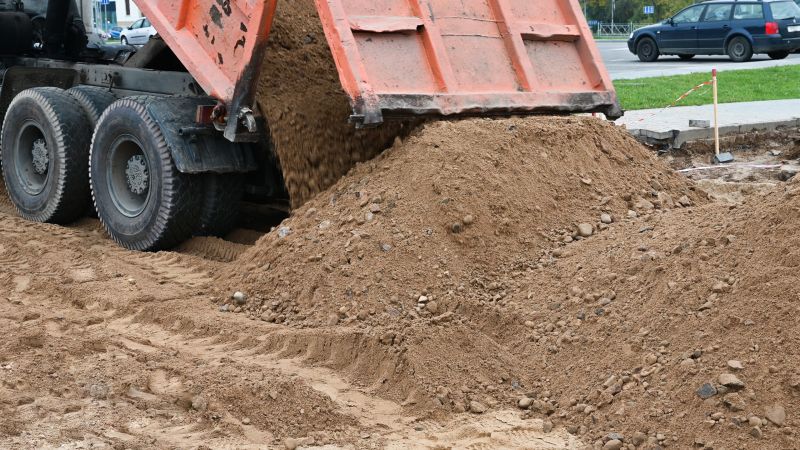
Dirt relocation services involve the movement and redistribution of soil, gravel, or other ground materials across a property. This service is commonly used for grading a yard, leveling uneven terrain, creating drainage solutions, or preparing land for landscaping and construction projects. Property owners often request dirt relocation to improve the stability and appearance of their outdoor spaces, ensure proper water runoff, or to clear areas for new structures or gardens.
Before requesting dirt relocation, property owners should consider the extent of the area to be worked on, the type of soil or material involved, and any potential restrictions or permits required by local regulations. Clear communication about the desired outcome and existing site conditions can help determine the most effective approach. Understanding the scope of the project and any property limitations ensures that the soil movement aligns with the overall property development or improvement plans.
Many property owners in Houston, TX look into Dirt Relocation for repairs, replacements, upgrades, and appearance-related improvements.
Common Dirt Relocation Jobs
Excavation and site clearing - preparing land for construction, landscaping, or new features.
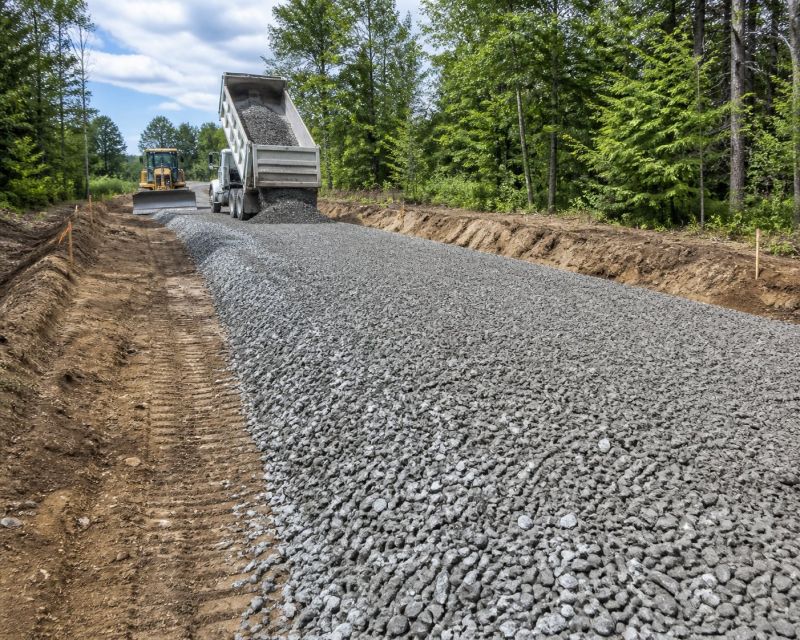
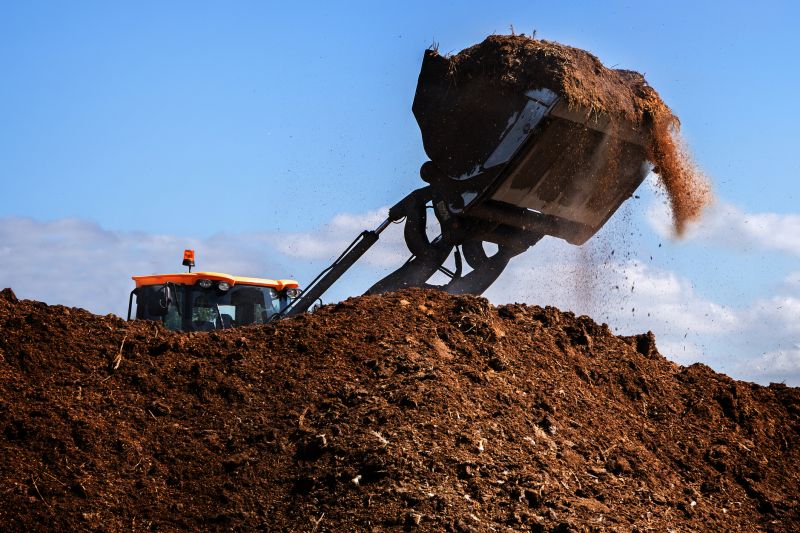
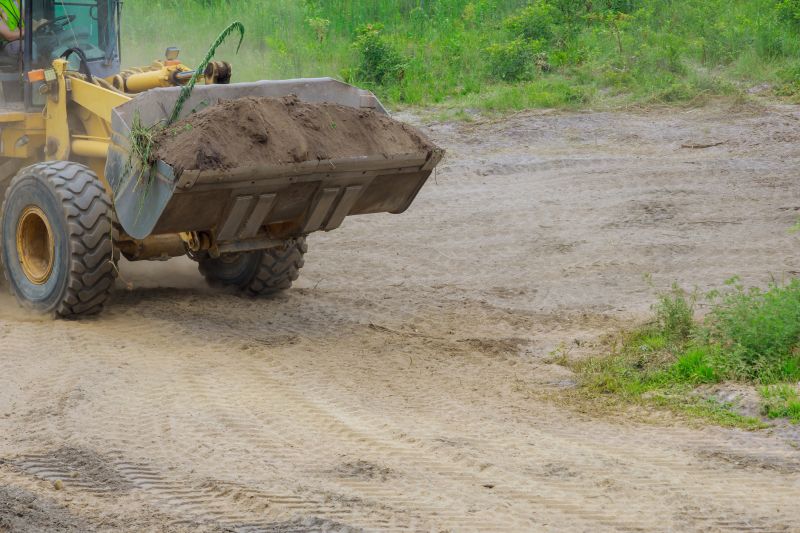
Soil and gravel relocation - moving earth to level or reshape outdoor spaces.
Debris removal and disposal - clearing away excess dirt, rocks, and unwanted materials.
Foundation and basement excavation - creating space for new foundations or underground structures.
Driveway and patio prep - adjusting terrain to ensure proper drainage and stability.
Landscape grading services - shaping land to improve drainage and prevent erosion.
Dirt Relocation Questions
What types of dirt relocation projects are common? Projects often include yard leveling, garden bed preparation, driveway expansion, and site cleanup after construction.
How does dirt relocation benefit property owners? It helps improve land grading, prevents erosion, creates level surfaces, and prepares the site for landscaping or construction.
What should property owners consider before a dirt relocation project? It’s important to assess the amount of soil needed, the source of additional fill, and any local regulations regarding excavation.
Is dirt relocation suitable for residential properties? Yes, it is commonly used for landscaping, creating level yards, and preparing areas for patios or gardens.
Request Dirt Relocation in Houston, TX
Use the quote form on this page to share the basics of your project and request more information for the type of work you need.